Water Damage Restoration for Commercial Properties

Water Damage Restoration Utah

Commercial properties face unique challenges in water damage restoration, ranging from the scale of large spaces to the critical need to maintain business operations. Understanding these obstacles can help property managers and restoration professionals prepare adequately and minimize losses.

Water Damage Restoration Utah locates and shuts off the source of water. Then, document all visible damage to walls, floors, and equipment for insurance purposes.

Cost

The cost of water damage restoration can vary widely, depending on the extent of the damage. Minor damage caused by a leaky faucet or a burst pipe typically costs less than major water damage from floodwaters or sewage backup. The source of the water also influences the price. Clean, fresh water is generally less expensive than contaminated or gray water.

Local restoration services charge between $70 and $200 per hour. This rate includes inspection, evaluation and the setup of air scrubbers, dryers, dehumidifiers, and other equipment. These machines remove moisture from the affected areas, helping prevent other absorbent materials like wood and drywall from absorbing excess water. Some companies may also add an additional $100 to $200 to their standard rates for emergency service calls outside of business hours.

When determining the cost of a water damage restoration project, it’s important to keep in mind that the longer a property remains damaged by water, the more extensive and expensive the repairs will be. To minimize restoration costs, it’s important to act quickly and hire a restoration company that performs both mitigation and repair work.

A professional restoration company will provide a detailed estimate that details the costs of all stages of the repair process. They will also be transparent about any additional costs that may arise during the restoration process.

Water damage restoration costs are significantly higher for large-scale projects, such as flood cleanup or sewage backup. This is because they require more specialized equipment and expertise.

It’s also important to consider that the costs of water damage restoration are often offset by insurance coverage. If you have a full-value insurance policy, your insurer will cover the cost of the restoration project, less any applicable deductible. If you have an actual cash value policy, your insurer will only cover the depreciated value of the damaged items.

The best way to reduce the costs of a water damage restoration project is to have a plan in place for responding to disasters and to prepare for the unexpected. This includes having a restoration company on standby, and knowing what to do in the event of a water leak or flood.

Time

If your property experiences water damage, you need to act quickly. Leaving the situation unattended can lead to structural damage, health risks and costly repairs. The good news is that professional restoration services can help you restore your home or business in a timely manner. However, the length of time it takes for restoration depends on the extent of the damage and the specific services required.

The first step in water damage restoration is to assess the damage and identify the source of the problem. Then, a team will develop a customized restoration plan. This phase will include inspection, water removal, drying and dehumidification, cleaning, sanitization and odor elimination, and repair of the damaged materials and contents. Mold remediation may also be necessary, depending on the type of water damage.

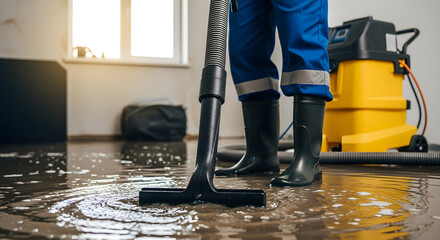
A full-service restoration contractor will begin by removing all visible water from your premises using pumps or vacuums. They will then dry the affected areas with air movers and dehumidifiers. They will also remove any unsalvageable items and haul away debris. This process is important because it prevents the growth of harmful microorganisms in your home or office, which can cause further damage and health issues.

Once the property is thoroughly dried, sanitization and deodorization procedures can be performed. During this stage, professionals will use antimicrobials to kill any bacteria or other organisms that have developed in the area. They will also apply deodorizers to eliminate any lingering odors.

Water damage restoration is a complex task that requires expert services. It is important to hire a reputable restoration company that has experience and training in multiple aspects of construction. This way, they can complete the entire project in a timely manner and minimize the impact on your home or business.

Whether you have experienced minor or major water damage, the restoration process can take several days to a week. A professional water damage restoration company will work diligently to restore your property as quickly as possible. To ensure the job is completed on time, the restoration company will communicate with you regularly and provide progress reports.

Health

Water damage can have long-term consequences, ranging from structural integrity issues to mold growth. In addition, the water itself may contain harmful bacteria and viruses. These can affect indoor air quality, resulting in health problems for occupants. Detecting water damage early and responding quickly to address it can minimize long-term effects, as well as reduce financial losses from business disruptions.

Commercial properties are typically occupied by workers and customers. Therefore, they need to be able to function properly without disruptions. Water damage can also impact revenue and brand image. It is important for commercial property owners to have a rapid response plan in place, including shutting off water sources and contacting professional restoration services immediately after an incident.

Commercial property managers should be aware that water damage can have hidden costs that are difficult to identify until it is too late. These costs can include lost revenue, damage to furniture and equipment, and the cost of repairing and replacing water-logged items. In some cases, it may be necessary to relocate a business temporarily or permanently, which can be a major setback for the company and result in lost income.

Unsightly water damage can also decrease the value of a property, making it harder to lease or sell. Moreover, it can make potential buyers or tenants worry that the building has not been well-maintained or might have ongoing mold issues.

If the affected area is occupied, it is essential to communicate with tenants or employees to inform them of any work that is being done and to explain any impact on their daily routine. It is also helpful to designate a single point of entry and exit for the work crews, to limit disruptions and maintain respect for occupants.

Water damage can be caused by a variety of factors, from plumbing failures to condensation and natural disasters. In many cases, it can be prevented with proper maintenance and regular inspections. Identifying the risk areas of your commercial property, such as weak points in your roofing or ageing pipes, can help to reduce the likelihood of an incident.

Environment

In addition to the physical costs associated with water damage restoration for commercial properties, there are also many secondary concerns. For example, if the water is contaminated, such as from a sewer backup, it can cause illness in employees and customers. This is a serious problem that requires prompt action to minimize long-term effects, such as mold growth and structural deterioration. Professional restoration services offer the tools and expertise needed to address these problems before they have a chance to spread.

Fortunately, most commercial water damage incidents are preventable. By implementing simple steps, such as shutting off the water supply and isolating the affected area, it is possible to mitigate the potential damage from a burst pipe. In addition, scheduling regular plumbing inspections and ensuring proper insulation in colder temperatures is important. These measures can help reduce the risk of leaks and burst pipes, which are the most common causes of commercial water damage.

Untreated commercial water damage can quickly lead to severe consequences that impact the entire property. For example, a single day of closure can cost thousands in lost revenue and reduced customer trust. Furthermore, the resulting expenses from water damage can wreak havoc on a business’s bottom line and lead to financial instability.

Water damage restoration services include a thorough assessment of the property to identify the extent of the damage and ensure that all affected areas are dry. This includes identifying and cleaning salvageable materials as well as removing any water-damaged items. In addition, specialized equipment is used to speed up the drying process and to monitor moisture levels.

Experts utilize state-of-the-art tools to provide a comprehensive approach to water damage restoration for commercial properties. These include industrial-grade pumps, high-capacity dehumidifiers, and specialized drying equipment to ensure that all affected areas are completely dry. Additionally, antimicrobial treatments are used to inhibit the growth of mold. The monitoring of humidity levels allows professionals to determine if any areas still need attention. These advanced techniques minimize long-term damage and safeguard the integrity of the building. As a result, they can save businesses significant expense in the long run.


Posted in Water Damage Restoration | Tagged , , , , | Comments Off on Water Damage Restoration for Commercial Properties

The Importance of Proper Site Preparation Before Construction

Every successful construction project begins with a solid foundation—not just in terms of concrete or steel, but in the groundwork that precedes it. Site preparation is the crucial first phase that determines how well a project will progress and how durable and safe the final structure will be. It involves a systematic process of analyzing, clearing, grading, and stabilizing land to make it suitable for construction.

Without proper preparation, even the most sophisticated building plans can face costly setbacks, safety hazards, and long-term structural issues. Read on or click here at https://lazercompaniesllc.com/ to explore the key elements of site preparation before construction.

site preparation

Understanding Site Preparation

Site preparation refers to the process of making a piece of land ready for construction. It includes everything from surveying and soil testing to grading, excavation, and utility setup. Each step ensures that the land is stable, level, and compliant with environmental and engineering standards.

Whether the project involves building a single home, a commercial facility, or infrastructure, site preparation provides the necessary groundwork to ensure that construction proceeds safely, efficiently, and according to plan.

The Goals of Site Preparation

Before a construction crew begins building, the land must meet several conditions. The primary goals of site preparation include:

  1. Creating a stable and level foundation: Proper grading and compaction prevent foundation settling and uneven surfaces.
  2. Ensuring adequate drainage: A well-prepared site allows water to flow away from structures, preventing flooding or erosion.
  3. Protecting the environment: Responsible site work minimizes soil disruption, pollution, and damage to natural surroundings.
  4. Complying with regulations: Site preparation ensures that all local codes, environmental laws, and safety requirements are met.
  5. Facilitating construction efficiency: A clear and well-prepared site reduces delays, equipment issues, and costly adjustments during construction.

With these objectives in mind, site preparation forms the foundation of a safe and sustainable construction project.

Steps Involved in Site Preparation

Each construction project requires a tailored approach to site preparation, depending on the land type, design plans, and environmental factors. However, the general process follows a series of essential steps.

1. Site Surveying and Assessment

Before any physical work begins, professional surveyors assess the land. They identify boundaries, topography, elevation, and potential obstacles that might affect construction.

This stage often involves:

  • Boundary identification: Marking property lines to prevent encroachment.
  • Topographic mapping: Determining slopes, elevations, and natural contours.
  • Utility mapping: Locating underground utilities like gas, water, and electricity lines.

The survey ensures that design plans align accurately with the land’s physical characteristics.

2. Soil Testing and Geotechnical Analysis

Soil quality is one of the most important factors in determining how a building will perform over time. Engineers conduct soil testing to analyze its composition, density, moisture content, and bearing capacity.

Common soil tests include:

  • Compaction tests to assess density and load capacity.
  • Moisture tests to evaluate drainage and stability.
  • Percolation tests for septic system planning.

The results of these tests influence foundation design, drainage solutions, and material selection.

3. Site Clearing

Once assessments are complete, the next step is clearing the site of obstacles that could interfere with construction. This process involves removing vegetation, rocks, debris, and old structures.

Key tasks may include:

  • Tree and stump removal
  • Demolition of existing buildings
  • Disposal or recycling of waste materials
  • Leveling minor surface irregularities

Clearing ensures a clean, obstruction-free workspace and reduces the risk of hazards during construction.

4. Excavation and Grading

Excavation involves removing or redistributing soil to create the desired land contours for foundations, drainage, and utilities. Grading follows, shaping the land to achieve proper slopes and levels.

  • Excavation: Contractors dig trenches and holes for foundations, basements, or utility lines.
  • Grading: The land is leveled and contoured to promote effective water drainage.
  • Backfilling: After structures like foundations are placed, soil is replaced and compacted around them for stability.

Proper grading prevents water accumulation and ensures that the site drains naturally, reducing the risk of erosion or flooding.

5. Compaction and Soil Stabilization

Loose soil can shift or settle over time, leading to uneven foundations and cracks. Compaction compresses the soil to increase its density and load-bearing capacity.

Common methods include using rollers, vibratory plates, or rammers to remove air pockets and achieve uniform soil stability. In cases where the soil is weak, stabilization may involve adding lime, cement, or other materials to strengthen it.

This step is vital for long-term durability and structural integrity.

6. Drainage Planning and Installation

Effective drainage is critical to maintaining a dry, stable construction site. Without it, water can pool, erode soil, and compromise foundations.

Drainage systems are designed to manage surface runoff and groundwater. They may include:

  • Stormwater drains and culverts to redirect rainwater
  • French drains or perforated pipes for underground water control
  • Retention ponds to store excess runoff temporarily

Proper drainage design protects the structure and the surrounding environment from water-related damage.

7. Utility Connection Preparation

Before construction begins, contractors plan for the installation of essential utilities such as water, electricity, gas, and telecommunications. This phase involves digging trenches and conduits to accommodate future connections.

Coordinating utility layouts early helps avoid unnecessary rework and ensures that all systems are installed efficiently once construction begins.

8. Erosion and Sediment Control

During site preparation, exposed soil is vulnerable to erosion caused by wind and rain. To prevent environmental damage, contractors implement erosion control measures such as:

  • Installing silt fences and sediment traps
  • Using mulch, straw, or geotextiles to protect soil
  • Constructing temporary drainage channels

These techniques minimize soil loss, protect nearby water sources, and comply with environmental regulations.

9. Final Site Inspection

After all preparatory work is complete, the site undergoes a final inspection. Engineers verify that the land meets construction requirements, ensuring proper compaction, grading, and drainage. Only after approval can the actual building phase begin.

The Importance of Professional Site Preparation

While site preparation may appear straightforward, it’s a highly technical process that requires expertise, equipment, and coordination. Engaging professional contractors offers several key advantages:

1. Accurate Planning and Execution

Professionals use advanced surveying tools and engineering techniques to ensure precise measurements and leveling, reducing costly errors.

2. Safety Assurance

Trained crews follow safety standards to prevent accidents related to unstable ground, heavy machinery, or underground utilities.

3. Efficiency and Time Savings

Professionals complete work faster and more efficiently, using modern equipment and proven workflows to stay on schedule.

4. Long-Term Stability

Proper soil compaction, drainage, and grading provide a strong foundation that prevents settlement and structural damage over time.

5. Regulatory Compliance

Professional site preparation adheres to building codes, zoning laws, and environmental regulations, preventing legal and financial setbacks.

Environmental Considerations in Site Preparation

Modern construction practices emphasize environmental responsibility. Proper site preparation minimizes ecological disruption while ensuring compliance with environmental regulations.

Key sustainable practices include:

  • Erosion control: Reducing sediment runoff and water pollution.
  • Recycling materials: Reusing cleared materials like topsoil, gravel, and concrete.
  • Dust and noise management: Limiting environmental impact on nearby communities.
  • Protecting vegetation: Preserving trees or green buffers where possible.

Sustainable site preparation contributes to long-term land health and aligns with modern green building standards.

Common Challenges in Site Preparation

Despite careful planning, several challenges can arise during site preparation:

  1. Unexpected soil conditions: Hidden rock layers, groundwater, or unstable soil may require additional engineering solutions.
  2. Weather disruptions: Heavy rain or extreme heat can delay grading, compaction, and excavation.
  3. Utility conflicts: Unmarked underground utilities can pose hazards or require redesign.
  4. Environmental restrictions: Sites near wetlands or protected areas may need special permits or procedures.

Experienced contractors anticipate these challenges and adapt plans accordingly, ensuring that projects remain on track.

Modern Technology in Site Preparation

Technological advancements are transforming the way site preparation is performed, making processes more precise, efficient, and environmentally friendly.

Some key innovations include:

  • GPS and Laser Grading: Ensures accurate leveling and reduces material waste.
  • 3D Modeling and Mapping: Helps engineers visualize terrain and design optimal grading plans.
  • Drones: Used for surveying large areas quickly and accurately.
  • Automated Machinery: Improves efficiency and reduces human error during excavation and grading.
  • Real-Time Monitoring: Sensors track soil compaction, moisture levels, and progress to ensure quality control.

These technologies enable contractors to complete projects faster while maintaining high standards of accuracy and safety.

The Connection Between Site Preparation and Construction Success

A well-prepared site directly influences the success of the entire construction project. Without proper groundwork, even the best architectural designs can fail. Issues such as uneven settling, poor drainage, or unstable soil can lead to structural damage, costly repairs, and safety hazards.

On the other hand, when site preparation is handled correctly, it creates a seamless transition into the construction phase. Builders can work efficiently on a stable, compliant, and well-organized foundation—saving time, money, and resources.

Site preparation before construction is the unsung hero of every successful project. It’s a complex process that combines engineering, environmental management, and precision planning to ensure that land is safe, stable, and ready for development.

From surveying and soil testing to grading, drainage, and utility planning, each step contributes to long-term safety, durability, and efficiency. Whether for residential or commercial projects, investing in professional site preparation ensures a strong foundation—literally and figuratively—for what’s to come.

In the world of construction, skipping or rushing through site preparation can lead to costly mistakes. Taking the time to do it right sets the stage for lasting success, transforming raw land into a ready canvas for development.

Posted in Site Preparation | Tagged , , , , , | Comments Off on The Importance of Proper Site Preparation Before Construction

Architectural House Design That Blends Style and Function

house designs

Architectural house design is more than just creating a structure to live in—it is the art of blending style, function, and comfort into a space that reflects personality and meets everyday needs. A well-designed home is not only visually appealing but also practical, sustainable, and built for long-term living. Whether building a new home or planning a renovation, understanding the principles of architectural house design can help turn any vision into reality.

The Essence of Architectural House Design

At its core, architectural house design is about balancing aesthetics with function. Every home must meet the needs of its occupants while also expressing creativity and style. Architects consider not only how a house looks but also how it feels to live in. From layout and flow to light and materials, every element contributes to creating a harmonious living environment.

Designing a house involves more than placing walls and roofs—it is about crafting spaces where people can thrive. Good design ensures rooms connect seamlessly, natural light fills the interiors, and every corner has a purpose.

Key Elements of a Great House Design

When planning a home, certain elements stand out as the foundation of architectural success. These include:

  • Layout and flow – A logical arrangement of rooms enhances comfort and usability. Open floor plans often provide a sense of spaciousness, while private sections ensure quiet and relaxation.
  • Natural light – Large windows, skylights, and glass doors bring in sunlight, reducing energy use and creating a welcoming atmosphere.
  • Proportion and scale – Well-balanced dimensions make spaces feel comfortable, avoiding rooms that feel cramped or oversized.
  • Materials and textures – The choice of wood, stone, glass, or concrete impacts both durability and style. Combining textures creates depth and character.
  • Outdoor connection – Integrating patios, balconies, or gardens into the design extends living spaces and creates harmony with nature.

When these elements work together, the result is a home that feels both stylish and livable.

Popular Architectural Styles for Homes

Architectural house design comes in many forms, each reflecting different tastes and lifestyles. Some of the most popular styles include:

  • Modern design – Characterized by clean lines, minimalism, and open layouts, modern homes often emphasize simplicity and natural light.
  • Contemporary design – Flexible and ever-evolving, contemporary houses adapt to current trends, blending modern features with unique details.
  • Traditional design – Classic layouts, symmetry, and timeless materials define this style, appealing to those who value comfort and familiarity.
  • Minimalist design – Focused on simplicity and functionality, minimalist homes highlight open space, neutral tones, and clutter-free living.
  • Sustainable design – Eco-friendly architecture uses energy-efficient materials, smart technologies, and designs that minimize environmental impact.

Each style offers a unique perspective, and many homeowners choose to blend elements from different approaches to create something truly personal.

The Role of Sustainability in House Design

Sustainable design has become a major focus in modern architecture. Beyond aesthetics, people now want homes that are environmentally friendly and cost-efficient to maintain.

Key aspects of sustainable design include:

  • Using energy-efficient windows and insulation.
  • Installing eco-friendly heating, cooling, and lighting systems.
  • Choosing recycled or natural building materials.
  • Designing layouts that maximize natural light and ventilation.

By incorporating sustainability into architectural house design, homeowners can enjoy reduced utility bills while contributing to a healthier planet.

The Importance of Functionality

While style draws attention, functionality makes a house livable. A beautiful home loses its value if it doesn’t meet the daily needs of its residents. Functionality means designing spaces that suit lifestyle choices, such as:

  • Ample storage for growing families.
  • Home offices for remote work.
  • Open kitchens for those who love entertaining.
  • Quiet reading nooks for relaxation.
  • Multi-purpose rooms that adapt as needs change.

The best architectural house designs evolve with life, accommodating changes over time while still maintaining their beauty.

Customization and Personal Touch

Every homeowner has unique tastes, which is why customization plays a huge role in architectural design. From selecting floor plans to choosing finishes, the ability to personalize a home makes it truly special.

Adding a personal touch can be as simple as including large windows for a love of natural light or as elaborate as designing a private garden courtyard. Customization ensures that the house reflects not just universal design principles but also the individuality of its occupants.

Technology and Smart Homes

Technology has transformed architectural house design, making homes more efficient, safe, and convenient. Smart home features such as automated lighting, climate control, and security systems are becoming standard in modern designs.

Incorporating technology during the design stage allows for seamless integration. Smart systems can improve energy efficiency, enhance safety, and make everyday living more comfortable, all while adding a futuristic edge to house design.

Planning for the Future

A truly successful house design looks beyond present needs. Future-proofing ensures a home remains functional and valuable for years to come. This may involve designing flexible spaces that can be converted into offices, bedrooms, or playrooms as circumstances change. It may also mean investing in durable materials that withstand time and weather.

By planning, homeowners save on future renovations while enjoying a home that adapts to their evolving lifestyle.

Architectural house design is the art of bringing together beauty, function, and innovation. A well-designed home not only looks impressive but also supports daily living, offers comfort, and reflects personal style. With thoughtful planning, attention to detail, and a focus on sustainability, house design can create spaces that are as practical as they are inspiring.

Whether modern, traditional, or somewhere in between, architectural house design continues to evolve, shaping homes that suit the demands of today while preparing for the possibilities of tomorrow. The right design turns a house into more than a structure—it becomes a lasting reflection of how people live, dream, and thrive.

Posted in Uncategorized | Comments Off on Architectural House Design That Blends Style and Function

Eco-Friendly Cabinet Refacing Options

Cabinet Refacing Sacramento

Choosing to reface instead of replace cabinets reduces the need for raw materials, which cuts down on energy consumption and environmental impact. This also means less waste in landfills.

Traditional refinishing requires stripping, sanding, and restaining, which can lead to air and wood dust pollution that has been linked to respiratory illnesses. Contact Cabinet Refacing Sacramento for more information.

Reclaimed Wood

Repurposing lumber from old barns, furniture, water tanks and gym bleachers reduces demand for new wood and helps preserve dwindling forests. It also provides a unique aesthetic with rich patina colors, deep grain patterns and a historic connection. Moreover, the use of reclaimed wood contributes to certification benefits for eco-friendly green building projects.

Sustainable materials, like reclaimed wood and bamboo, offer durability to reduce the need for frequent replacements and are available in a wide variety of colors and textures that align with modern kitchen design styles. They are also a smart choice for LA homeowners concerned about the environment as they are grown and harvested in ways that minimize environmental impact and promote sustainable forestry.

When choosing eco-friendly cabinet refacing materials, make sure to select finishes with low-VOC (volatile organic compound) and formaldehyde. These harmful chemicals can evaporate into the air and cause respiratory problems and other health issues for your family. Choosing cabinets with low-VOC and formaldehyde finishes helps maintain healthy indoor air quality, while contributing to reduced landfill waste that can leach toxic substances into soil and groundwater.

Purchasing recycled and eco-friendly materials also contributes to a smaller carbon footprint, as the manufacturing process of new cabinets requires significant energy that comes from fossil fuels. Refacing cabinets with eco-friendly materials and finishing techniques eliminates this step, reducing the overall energy requirement for kitchen remodels.

Low-VOC Finishes

Choosing eco-friendly cabinet finishes is an important aspect of integrating green practices into your kitchen design. Look for finishes that are low or zero VOC to avoid releasing harmful chemicals into your home’s indoor air. Cabinet makers offer a variety of sustainable options to complement your kitchen’s style and aesthetic. For example, reclaimed wood and formaldehyde-free cabinets align with the light, Scandinavian style of modern transitional kitchens. Similarly, bamboo and lyptus cabinetry use FSC-certified materials and comply with CARB2 standards to reduce off-gassing. Cabinets that are low VOC also promote a healthier interior environment, particularly in homes with children and individuals with chemical sensitivities.

In addition to keeping toxic materials out of your home, embracing green cabinet refacing benefits the planet by cutting down on waste. Traditional kitchen remodeling generates a surprising amount of waste, with old cabinets and countertops often ending up in landfills. However, cabinet refacing reuses existing cabinet boxes and only replaces the doors and drawer fronts, eliminating the need for new materials and significantly reducing the amount of waste generated by your kitchen remodel.

When refacing your cabinetry, opt for water-based acrylic paints and adhesives that are free of harmful chemicals like benzene. Benzene is colorless, but lingers in your home for extended periods of time, leading to health issues like headaches and dizziness. Opt for odor-free lacquers and furniture paints when painting your new cabinets, or choose stain-resistant finishes that don’t require the toxic chemical Xylene.

When incorporating reclaimed wood into your refaced cabinetry, consider adding sustainable counter tops made from recycled glass or concrete for added durability and visual appeal. Additionally, LED lighting is a great way to illuminate your new eco-friendly kitchen while consuming less energy.

Recycled Countertops

When you choose eco-friendly cabinet refacing over full replacement, you eliminate the need for new materials and reduce overall waste. This minimizes energy use during installation and transportation, and supports responsible forestry and resource management. In addition, your kitchen will contain fewer harmful chemicals, enhancing indoor air quality and contributing to a healthier home.

When choosing a countertop material for your eco-friendly cabinet refacing, you can also consider recycled glass and concrete countertops as sustainable alternatives to traditional surfaces. These durable products divert waste from landfills and reduce the need for new raw materials, all while delivering superior strength and aesthetic appeal.

Other popular options include bamboo countertops, which offer a natural wood finish and a warm, modern look. Bamboo grows quickly, making it a renewable resource that is sturdy and water-resistant. It also provides a great alternative to hardwoods that require regular maintenance and care.

Countertops made of reclaimed or recycled paper can add a unique design element to your kitchen and support local economies. These surfaces feature a variety of finishes and textures, with some utilizing natural antimicrobial properties.

Companies like Richlite and GEOS manufacture eco-friendly recycled paper countertops with a non-porous surface that is stain-resistant and heat-resistant. These surfaces are also a smart choice for homeowners who love a rustic or industrial style, as they can be cut and shaped to fit specific needs.

In addition to being a smart choice for the planet, these countertops are a great choice for Pennsylvania homeowners who prefer a smooth, clean appearance in their kitchen. They also contribute to green building standards, such as LEED (Leadership in Environmental and Energy Design), which helps homeowners achieve more energy efficiency in their homes.

Energy-Efficient Appliances

Upgrading your kitchen with new energy-efficient appliances will cut your utility costs and reduce your household’s overall energy consumption. Look for appliances with the Energy Star label, which indicates that they meet or exceed strict energy-efficiency guidelines established by the EPA and DOE. New appliances are typically more expensive than older models, but they will often pay for themselves in utility savings over the life of the appliance.

Cabinet refacing is a sustainable option for Pennsylvania homeowners looking to make a dramatic visual impact without the high costs of a complete remodel. By reusing existing cabinets, this method minimizes waste and cuts the carbon footprint of your renovation project. Additionally, using FSC-certified wood ensures that your cabinets were sourced from responsibly managed forests that provide environmental, social, and economic benefits.

The manufacturing of new cabinets requires a lot of energy to process raw materials and shape components. This energy consumption is typically powered by fossil fuels, contributing to greenhouse gas emissions and climate change. In contrast, cabinet refacing involves replacing only the visible elements of your cabinets—doors, drawer fronts, and exterior cabinets—which significantly reduces the need for new materials.

Another significant advantage of cabinet refacing is that it allows you to keep your existing kitchen layout. Changing the layout of your kitchen can require the relocation of plumbing, electrical, and other utility lines, which increases the amount of material and energy needed for a renovation project.

To maximize the eco-friendly impact of your cabinet refacing project, choose green lighting options and low-flow faucets. This will reduce your home’s overall energy use while improving the quality of your indoor air and lowering water usage. You can also save even more energy by updating your old appliances with newer models that use less electricity and water than older devices.

LED Lighting

Incorporating LED lighting into your cabinet refacing is an easy way to upgrade your kitchen while keeping your home eco-friendly. This energy-efficient option uses significantly less electricity than traditional lights and has a long lifespan, resulting in lower electricity bills. In addition, LED lights emit very little heat, allowing them to safely be installed in enclosed spaces like cabinets without raising your kitchen’s temperature or causing any damage to fragile items.

Another eco-friendly option when choosing materials for your refacing project is to choose wood that’s FSC certified. This ensures the wood you’re using is sourced responsibly, helping to protect and preserve natural forests around the world. You can also use low-VOC paints and adhesives to further reduce the amount of harmful chemicals released during your kitchen remodel.

Lastly, you can go green in your kitchen by choosing appliances that are Energy Star rated. This means they’ve been tested and verified to meet rigorous energy efficiency guidelines set by the U.S. Environmental Protection Agency and the Department of Energy. These high-efficiency appliances help to reduce your home’s carbon footprint and save you money on your energy bills.

Although a full kitchen remodel requires the use of new materials and creates a lot of waste, cabinet refacing minimizes this impact by preserving the existing cabinet boxes and using sustainable materials for the door and drawer fronts. It’s also important to consider the source of your cabinet knobs and pulls, as many options are made from non-sustainable metals that are not recycled. Look for options that are made from reclaimed or recycled materials to reduce your kitchen’s environmental footprint even further. With the right expertise and commitment to sustainability, you can transform your kitchen with eco-friendly cabinet refacing that’s both stylish and functional.

Posted in Cabinet Refinishing | Tagged , , , , | Comments Off on Eco-Friendly Cabinet Refacing Options