
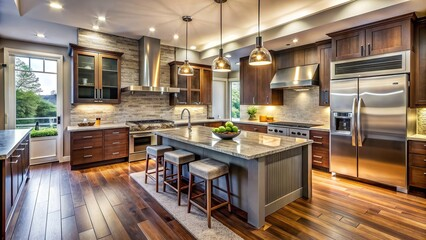
Choosing to reface instead of replace cabinets reduces the need for raw materials, which cuts down on energy consumption and environmental impact. This also means less waste in landfills.
Traditional refinishing requires stripping, sanding, and restaining, which can lead to air and wood dust pollution that has been linked to respiratory illnesses. Contact Cabinet Refacing Sacramento for more information.
Reclaimed Wood
Repurposing lumber from old barns, furniture, water tanks and gym bleachers reduces demand for new wood and helps preserve dwindling forests. It also provides a unique aesthetic with rich patina colors, deep grain patterns and a historic connection. Moreover, the use of reclaimed wood contributes to certification benefits for eco-friendly green building projects.
Sustainable materials, like reclaimed wood and bamboo, offer durability to reduce the need for frequent replacements and are available in a wide variety of colors and textures that align with modern kitchen design styles. They are also a smart choice for LA homeowners concerned about the environment as they are grown and harvested in ways that minimize environmental impact and promote sustainable forestry.
When choosing eco-friendly cabinet refacing materials, make sure to select finishes with low-VOC (volatile organic compound) and formaldehyde. These harmful chemicals can evaporate into the air and cause respiratory problems and other health issues for your family. Choosing cabinets with low-VOC and formaldehyde finishes helps maintain healthy indoor air quality, while contributing to reduced landfill waste that can leach toxic substances into soil and groundwater.
Purchasing recycled and eco-friendly materials also contributes to a smaller carbon footprint, as the manufacturing process of new cabinets requires significant energy that comes from fossil fuels. Refacing cabinets with eco-friendly materials and finishing techniques eliminates this step, reducing the overall energy requirement for kitchen remodels.
Low-VOC Finishes
Choosing eco-friendly cabinet finishes is an important aspect of integrating green practices into your kitchen design. Look for finishes that are low or zero VOC to avoid releasing harmful chemicals into your home’s indoor air. Cabinet makers offer a variety of sustainable options to complement your kitchen’s style and aesthetic. For example, reclaimed wood and formaldehyde-free cabinets align with the light, Scandinavian style of modern transitional kitchens. Similarly, bamboo and lyptus cabinetry use FSC-certified materials and comply with CARB2 standards to reduce off-gassing. Cabinets that are low VOC also promote a healthier interior environment, particularly in homes with children and individuals with chemical sensitivities.
In addition to keeping toxic materials out of your home, embracing green cabinet refacing benefits the planet by cutting down on waste. Traditional kitchen remodeling generates a surprising amount of waste, with old cabinets and countertops often ending up in landfills. However, cabinet refacing reuses existing cabinet boxes and only replaces the doors and drawer fronts, eliminating the need for new materials and significantly reducing the amount of waste generated by your kitchen remodel.
When refacing your cabinetry, opt for water-based acrylic paints and adhesives that are free of harmful chemicals like benzene. Benzene is colorless, but lingers in your home for extended periods of time, leading to health issues like headaches and dizziness. Opt for odor-free lacquers and furniture paints when painting your new cabinets, or choose stain-resistant finishes that don’t require the toxic chemical Xylene.
When incorporating reclaimed wood into your refaced cabinetry, consider adding sustainable counter tops made from recycled glass or concrete for added durability and visual appeal. Additionally, LED lighting is a great way to illuminate your new eco-friendly kitchen while consuming less energy.
Recycled Countertops
When you choose eco-friendly cabinet refacing over full replacement, you eliminate the need for new materials and reduce overall waste. This minimizes energy use during installation and transportation, and supports responsible forestry and resource management. In addition, your kitchen will contain fewer harmful chemicals, enhancing indoor air quality and contributing to a healthier home.
When choosing a countertop material for your eco-friendly cabinet refacing, you can also consider recycled glass and concrete countertops as sustainable alternatives to traditional surfaces. These durable products divert waste from landfills and reduce the need for new raw materials, all while delivering superior strength and aesthetic appeal.
Other popular options include bamboo countertops, which offer a natural wood finish and a warm, modern look. Bamboo grows quickly, making it a renewable resource that is sturdy and water-resistant. It also provides a great alternative to hardwoods that require regular maintenance and care.
Countertops made of reclaimed or recycled paper can add a unique design element to your kitchen and support local economies. These surfaces feature a variety of finishes and textures, with some utilizing natural antimicrobial properties.
Companies like Richlite and GEOS manufacture eco-friendly recycled paper countertops with a non-porous surface that is stain-resistant and heat-resistant. These surfaces are also a smart choice for homeowners who love a rustic or industrial style, as they can be cut and shaped to fit specific needs.
In addition to being a smart choice for the planet, these countertops are a great choice for Pennsylvania homeowners who prefer a smooth, clean appearance in their kitchen. They also contribute to green building standards, such as LEED (Leadership in Environmental and Energy Design), which helps homeowners achieve more energy efficiency in their homes.
Energy-Efficient Appliances
Upgrading your kitchen with new energy-efficient appliances will cut your utility costs and reduce your household’s overall energy consumption. Look for appliances with the Energy Star label, which indicates that they meet or exceed strict energy-efficiency guidelines established by the EPA and DOE. New appliances are typically more expensive than older models, but they will often pay for themselves in utility savings over the life of the appliance.
Cabinet refacing is a sustainable option for Pennsylvania homeowners looking to make a dramatic visual impact without the high costs of a complete remodel. By reusing existing cabinets, this method minimizes waste and cuts the carbon footprint of your renovation project. Additionally, using FSC-certified wood ensures that your cabinets were sourced from responsibly managed forests that provide environmental, social, and economic benefits.
The manufacturing of new cabinets requires a lot of energy to process raw materials and shape components. This energy consumption is typically powered by fossil fuels, contributing to greenhouse gas emissions and climate change. In contrast, cabinet refacing involves replacing only the visible elements of your cabinets—doors, drawer fronts, and exterior cabinets—which significantly reduces the need for new materials.
Another significant advantage of cabinet refacing is that it allows you to keep your existing kitchen layout. Changing the layout of your kitchen can require the relocation of plumbing, electrical, and other utility lines, which increases the amount of material and energy needed for a renovation project.
To maximize the eco-friendly impact of your cabinet refacing project, choose green lighting options and low-flow faucets. This will reduce your home’s overall energy use while improving the quality of your indoor air and lowering water usage. You can also save even more energy by updating your old appliances with newer models that use less electricity and water than older devices.
LED Lighting
Incorporating LED lighting into your cabinet refacing is an easy way to upgrade your kitchen while keeping your home eco-friendly. This energy-efficient option uses significantly less electricity than traditional lights and has a long lifespan, resulting in lower electricity bills. In addition, LED lights emit very little heat, allowing them to safely be installed in enclosed spaces like cabinets without raising your kitchen’s temperature or causing any damage to fragile items.
Another eco-friendly option when choosing materials for your refacing project is to choose wood that’s FSC certified. This ensures the wood you’re using is sourced responsibly, helping to protect and preserve natural forests around the world. You can also use low-VOC paints and adhesives to further reduce the amount of harmful chemicals released during your kitchen remodel.
Lastly, you can go green in your kitchen by choosing appliances that are Energy Star rated. This means they’ve been tested and verified to meet rigorous energy efficiency guidelines set by the U.S. Environmental Protection Agency and the Department of Energy. These high-efficiency appliances help to reduce your home’s carbon footprint and save you money on your energy bills.
Although a full kitchen remodel requires the use of new materials and creates a lot of waste, cabinet refacing minimizes this impact by preserving the existing cabinet boxes and using sustainable materials for the door and drawer fronts. It’s also important to consider the source of your cabinet knobs and pulls, as many options are made from non-sustainable metals that are not recycled. Look for options that are made from reclaimed or recycled materials to reduce your kitchen’s environmental footprint even further. With the right expertise and commitment to sustainability, you can transform your kitchen with eco-friendly cabinet refacing that’s both stylish and functional.